



Spray Painting Machine
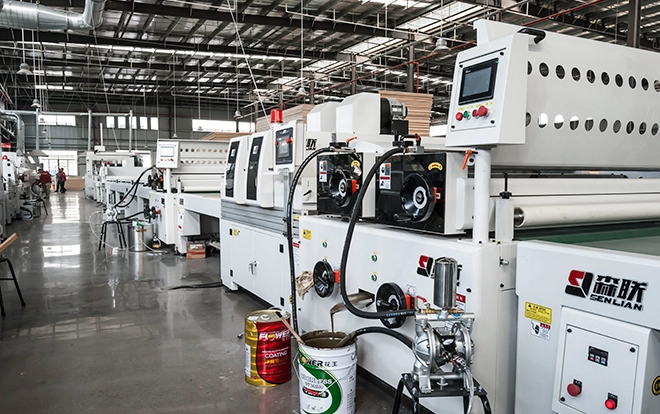
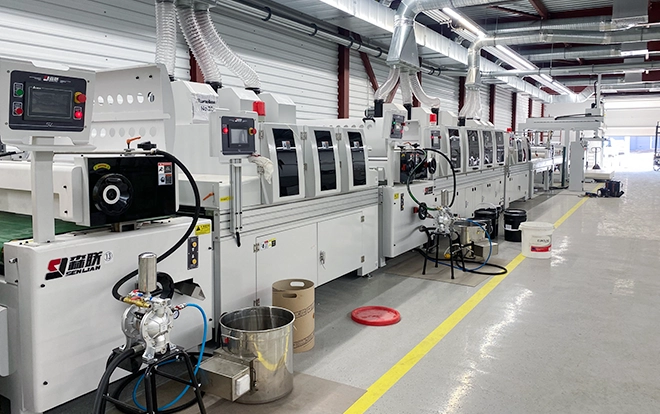
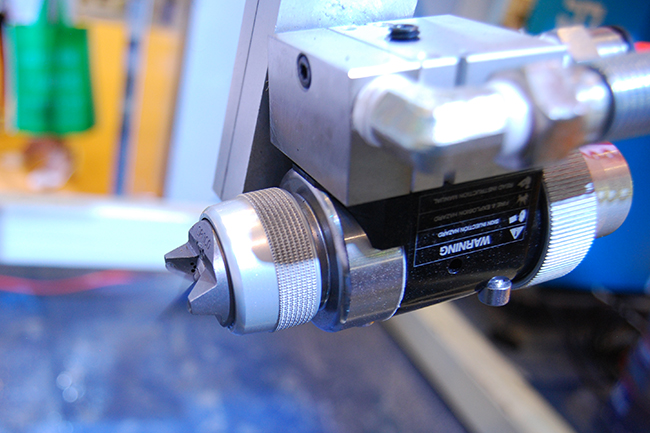
As core equipment for coating irregularly shaped workpieces, spray painting machines atomize liquid paint into a fine mist using air pressure, then apply it evenly to the substrate's surface and edges at a suitable fan angle and spraying distance, delivering an aesthetic or functional finish, replacing manual labor, and helping producers reduce costs and increase efficiency.
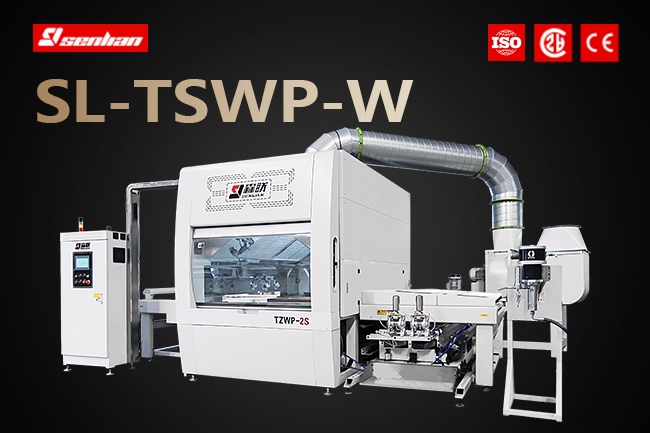
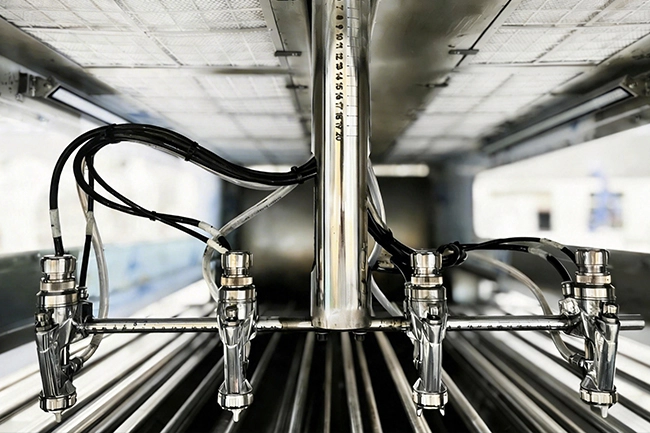
Reciprocating Spray Painting Machine
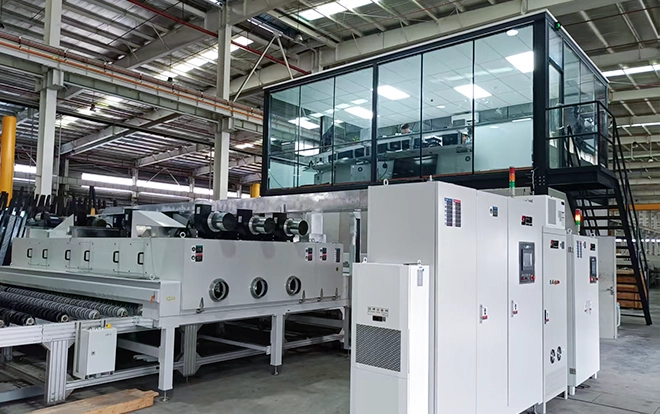
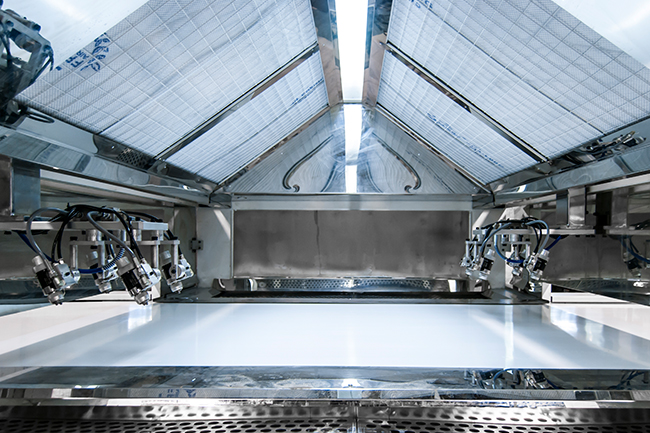
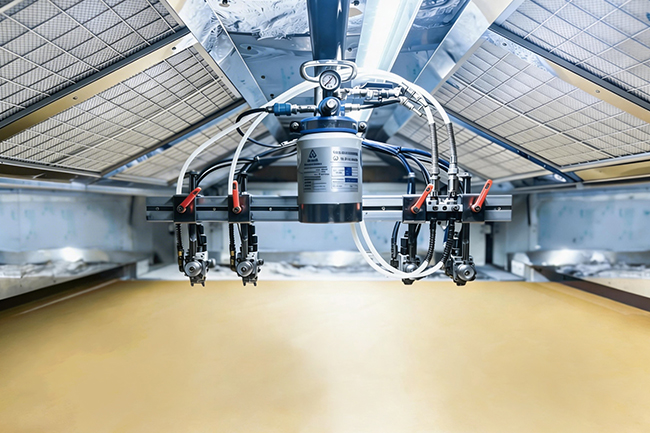
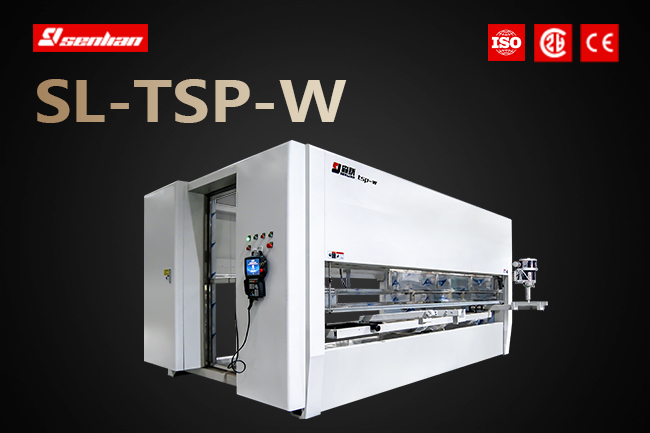
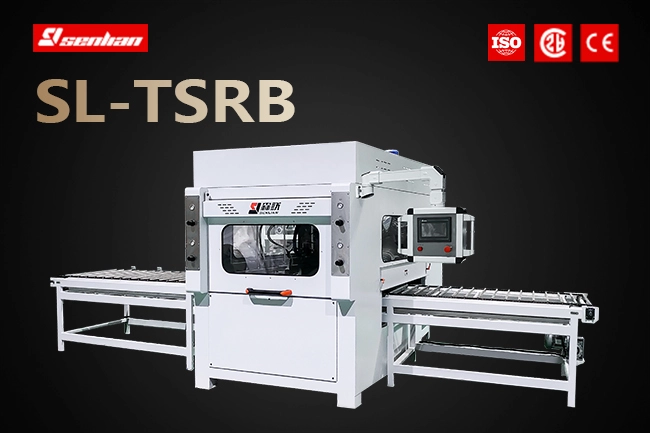
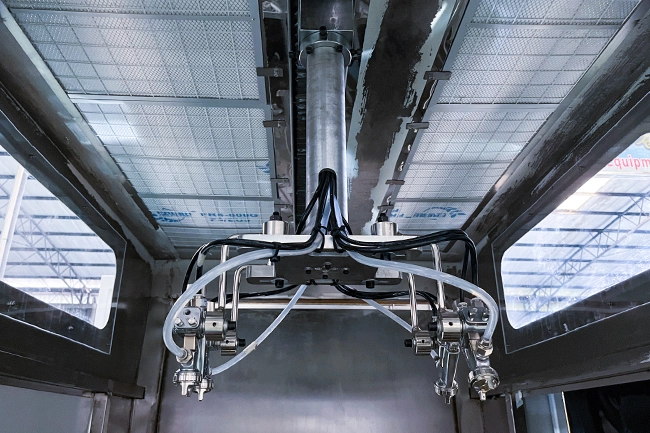
The heavy-duty spray painting machine is suitable for ultra-efficient industrial painting of wood furniture, doors, marble, glass, and many other products. Integrated with a spacious paint booth, it features an advanced spraying system, a positive-pressure air system, and a paint recycling system to deliver a superior coating result.

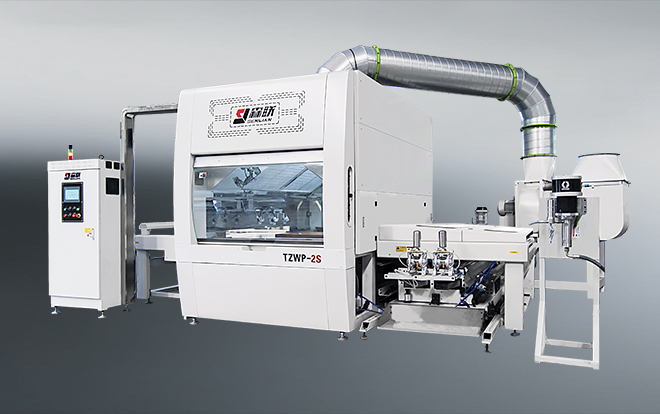
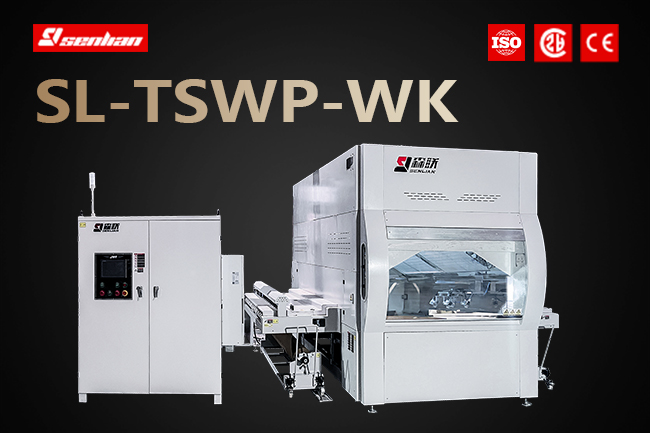
Paper Belt Spray Painting Machine
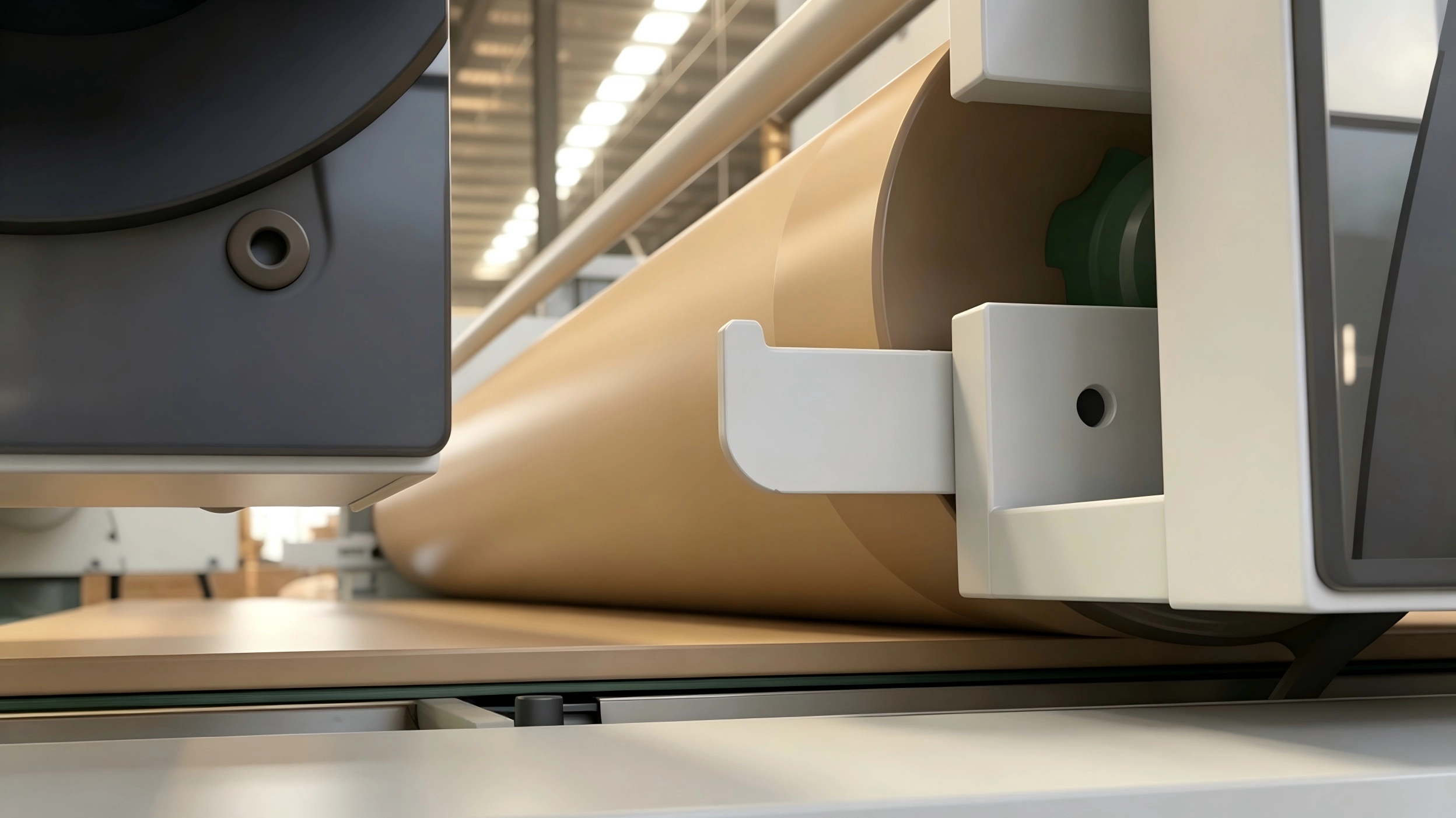
The spray painting machine uses kraft paper instead of a PE belt as the conveying medium. The vacuum adsorption function keeps the kraft paper completely flat and wrinkle-free, effectively preventing contamination of the workpiece’s back surface by the conveyor belt. It’s ideal for custom furniture, decorative glass, and other high-end products.

Automatic Five-Axis Spraying Machine
The spray painting machine features an intelligent five-axis spraying system as flexible as a human arm. It works in harmony with a rotating and flipping work table, ensuring even paint coverage on shaped double surfaces and thick sides without sagging.
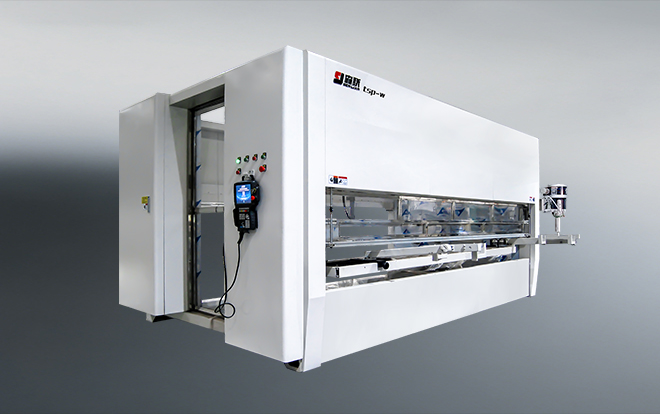
3D Five-Axis Spray Painting Machine
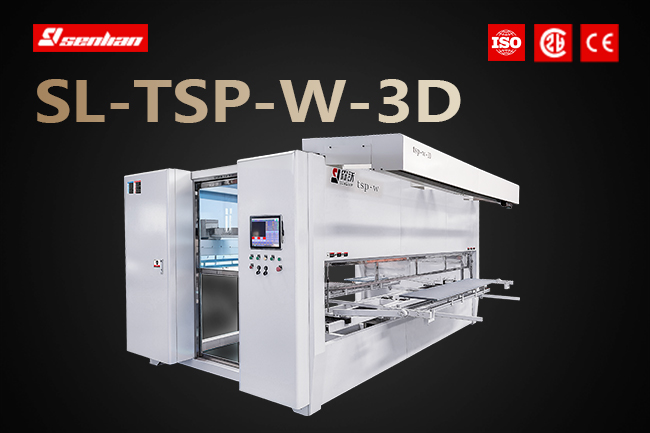
The new spray painting machine uses revolutionary 3D intelligent spraying technology that auto-scans the workpiece’s three-dimensional contours, hollow structures, and irregular features, then plans the most efficient spraying path, and boosts efficiency by over 50% vs manual spraying.
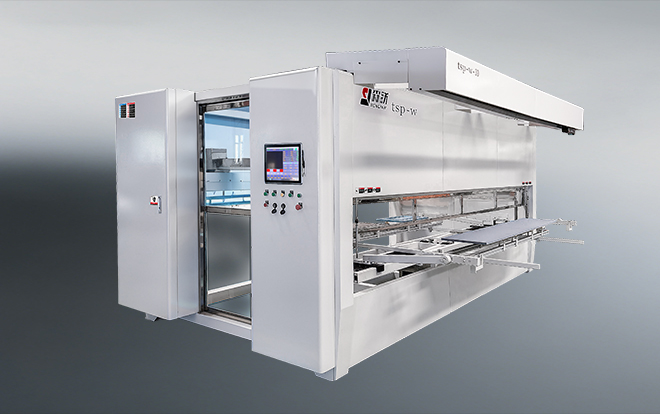
Robotic Painting Machine
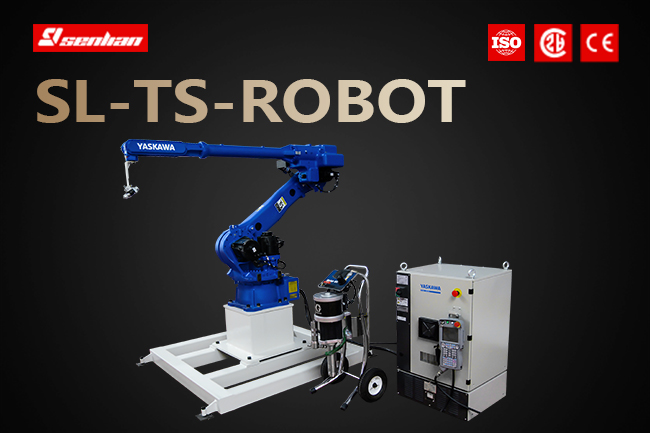
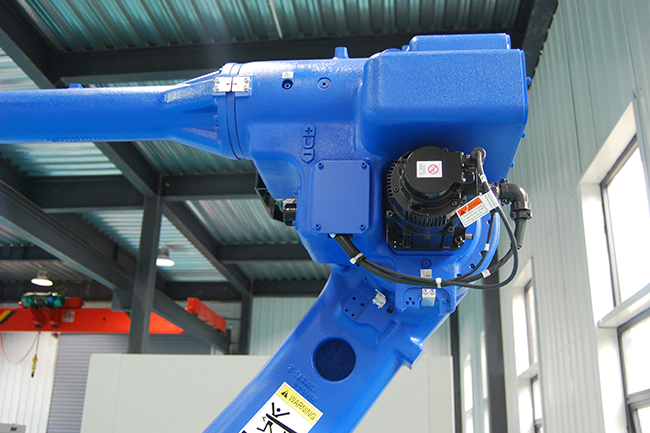
The robotic painting machine features a highly flexible six-axis structure that can mimic the flexible spraying movements of human arms. It’s suitable for three-dimensional, curved, and polyhedral products and can be designed for automatic loading and stacking.
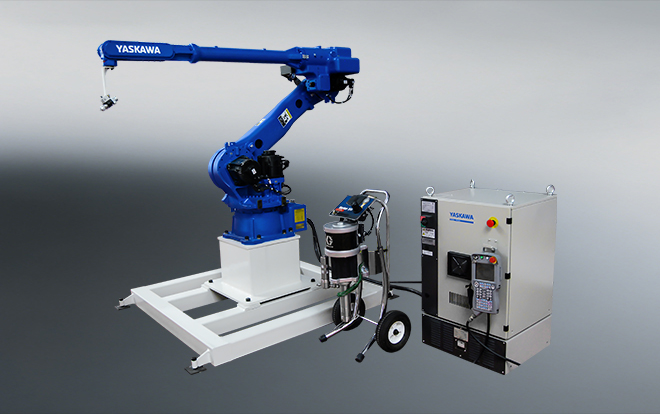
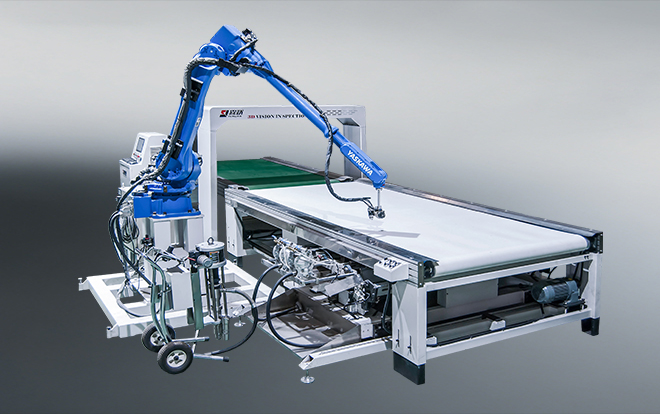
3D Spray Painting Robot
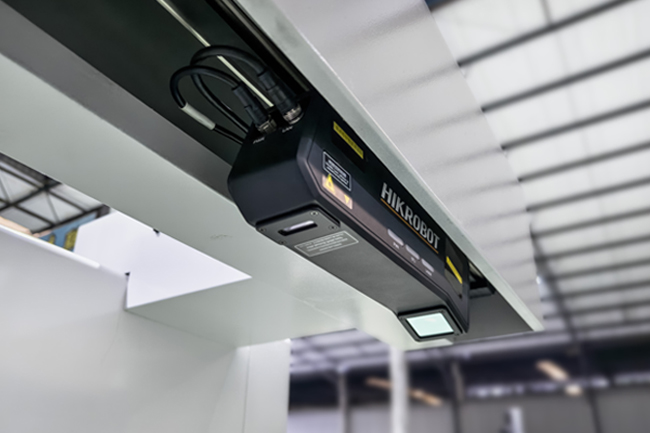
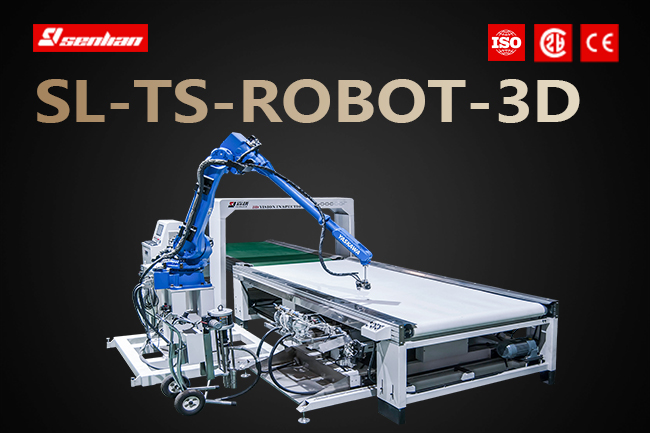
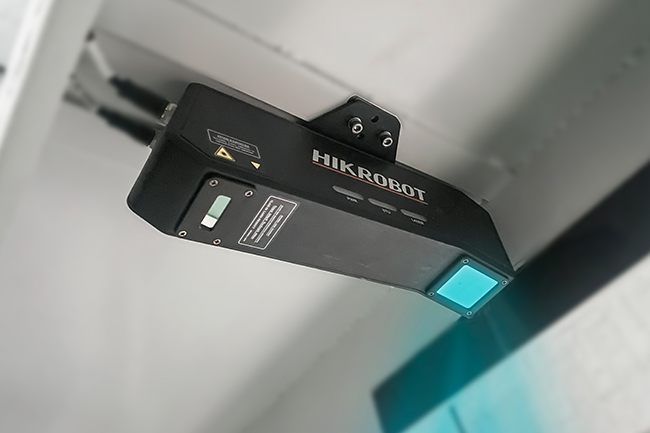
The new spray painting robot utilizes innovative 3D intelligent painting technology, with an imaging system that accurately scans the shape and locates the position of the workpieces. It enables efficient, refined spray painting of multiple product specifications on a spraying line.
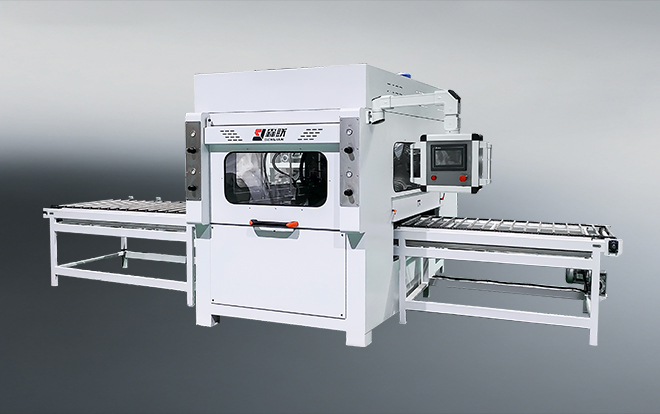
Easy Spray Painting Machine
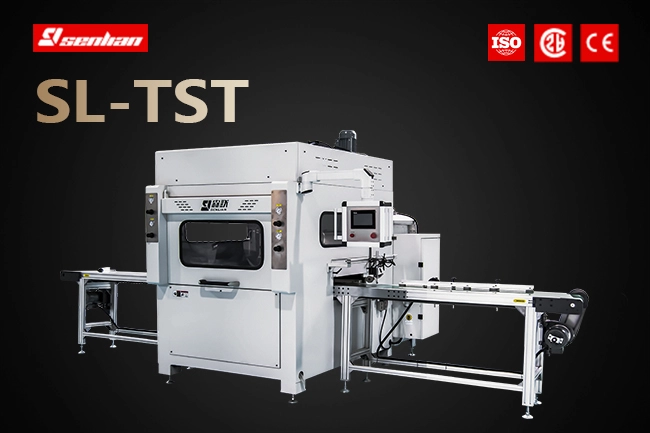
The easy spray painting machine is ideal for PVC, PET, ceramics, calcium silicate boards, and many other materials. It features a paint booth with a water curtain system and a paint filter back box, ensuring excellent air purity and superior painting results.
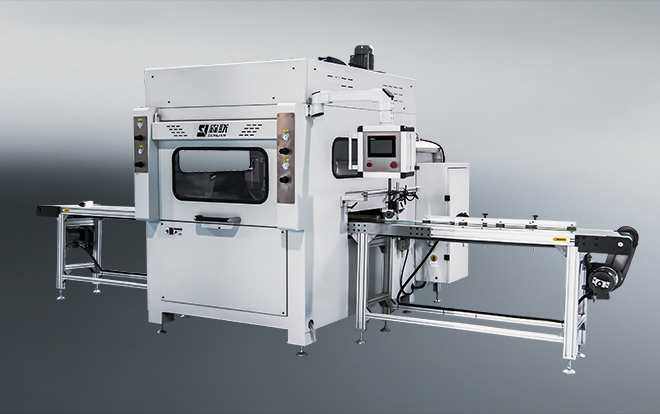
Line Painting Machine
The line painting machine is integrated with a small paint booth and a reciprocating single arm that holds spray guns at different angles. It is suitable for linear products or narrow plates. The working mode can be switched between “reciprocating spraying” and “fixed spraying” at will.
Features

Cost Reduction
Substitute for professional painters and minimize overspray and paint waste in the coating area.
Flexible Spraying Angle
Realize precise and uniform coating of complex-shaped workpieces (e.g., curved surfaces, concave-convex structures).
Adjustable Coating Thickness
Coating thickness can be precisely adjusted by spray painting speed, conveying speed, and paint supply.
High Operating Efficiency
Spray painting machines support 24/7 continuous and stable production with high operating efficiency.

Consistent Quality
Ensure strict adherence to the preset spray-painting process parameters, with no random deviations.

Eco-Friendly
Eliminate potential safety hazards of manual operation and reduce occupational injury risks, such as paint mist inhalation.
Our Advantages
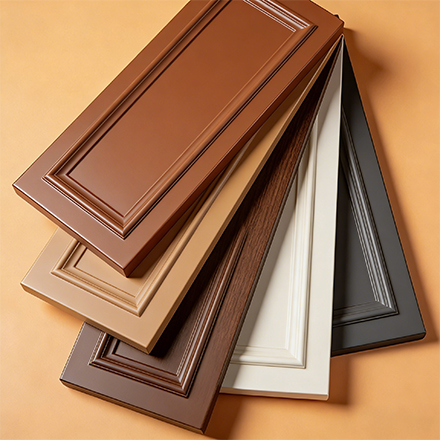
Fine design, high precision, and stable performance. Compared with competitors, our spray painting machines deliver better adhesion, uniform coating thickness, and stronger resistance to scratches and wear, enhancing both product aesthetics and durability.
- Wide Product Range– Includes over 10 standard models of spray painting machines and other custom models.
- Strong Custom Capabilities– Includes options for logos, parameters, functions, structures, and more.
- Professional R&D Team– 13 experts and an 800m2 R&D center provide strong technical support.
- Strict Quality Control– 38 documents and 65 quality records supervise each spray painting machine.
- One-Stop Services– We deliver comprehensive services for global customers in various industry sectors.
- Testing Platform– We have coating and spray painting labs for customer testing and innovation.
- PAT Testing– After producing the ordered spray painting machines, PAT ensures high-quality finished products.
- 2000+ Satisfied Customers– Successful cases have enriched our experience, helping us deliver better results.
Discover Coating Solutions to Fit Your Industry and Budget.
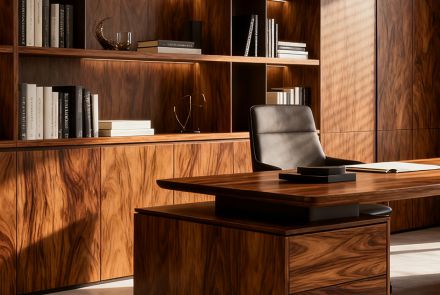
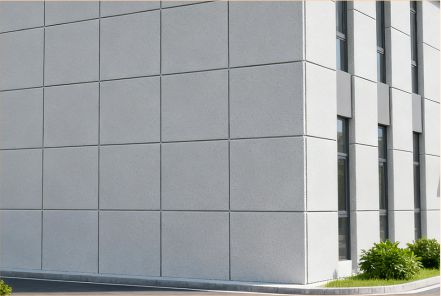
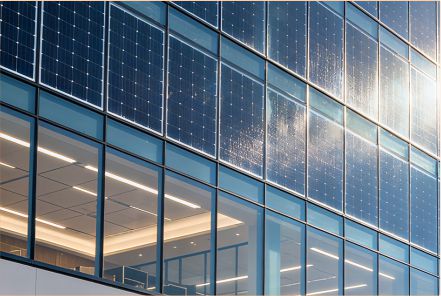
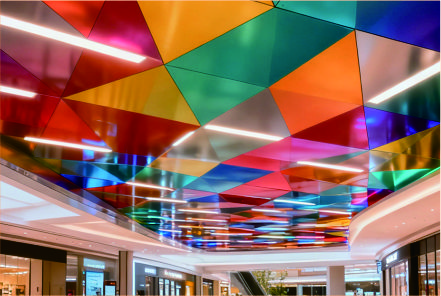
Regardless of your industry, base materials, coating type, or space limitations, we can provide you with a suitable coating solution at a variety of price points.

Contact Us
Have questions or need assistance? Get in touch with us, and we’ll be happy to help!
-

-
 Whatsapp
 -

-
 AddressNO.8, Longxiang road, Puyang industrial district, Chengdu city, Sichuan province, China.
Request a Quote
Frequently Asked Questions
-
What types of coatings are compatible with Spray Painting Machines, and are there any requirements for coating viscosity?

-
Spray painting machines are compatible with many mainstream coatings, including water-based, solvent-based, and oil-based paints, as well as UV paint and others.
Viscosity varies depending on the type and brand of coating, as well as ambient temperature and humidity. For example, when spraying UV primer under subtropical monsoon climate conditions at 30 degrees north latitude, the viscosity should be 11-13 seconds, measured with an Iwata viscosity cup No. 2; in winter, it should be adjusted to 11-16 seconds. Our experienced after-sales engineers will take your specific circumstances into account, adjust the coating to the appropriate viscosity on-site, and provide professional operating instructions.
-
How to properly clean and maintain a Spray Painting Machine after daily work?
-
After daily work, the pump, pipelines, spray gun, and worktable should be thoroughly cleaned. First, place the suction tube of the pump into a clean solvent container, adjust the pump pressure to 0.1-0.15 MPa, and the atomizing pressure to 0 MPa; then move the spray gun to a suitable cleaning position and activate the spraying until clean solvent is sprayed out; after returning the spray gun to its original position and turning off the power, manually remove the nozzle and atomizing cap and soak them in clean alcohol. This will make the spray gun look brand new. Some models support one-button automatic cleaning of the spray gun. It's important to regularly add lubricating oil to the automatic oiler and the plunger pump every week to ensure a longer service life for the spray painting machine.
In addition, our after-sales engineers will provide you with detailed tutorial videos for your spray painting machines or guide your workers to fully master the equipment’s cleaning and maintenance methods by accompanying them during production.
-
What are the installation requirements for a Spray Painting Machine, and how should paint mist in the surrounding environment be handled?
-
We will provide detailed DWG installation layout drawings for the spray painting machine based on your available space. Some models come with built-in positive-pressure air systems, water curtain systems, and paint recovery and filtration devices, which have significantly improved paint utilization and reduced paint mist dispersion. However, to ensure perfect coating results and comply with industrial coating environmental requirements, we still recommend building a professional pressurized spray booth and connecting it to equipment and a VOC treatment device via pipelines to centrally collect VOC generated by each process. Finally, these VOCs should be treated using methods such as activated carbon adsorption, photocatalytic oxidation, or secondary combustion to achieve environmentally compliant emissions. If this is unfamiliar to you, as a one-stop service provider, we would be honored to offer you comprehensive solutions. Please contact us for more details.
-
What should I do if the processed materials have uneven coating after using the Spray Painting Machine?
-
If the processed materials have uneven coating, you can troubleshoot and solve the problem from the following aspects:
First, check the paint supply system to ensure that the paint pressure is stable and that there is no blockage in the pipeline, as an unstable paint supply will directly lead to uneven coating thickness.
Second, adjust the conveyor speed and the coating nozzle distance; if the speed is too fast or the nozzle is too far away, the paint coverage will be uneven.
Third, check the surface of the processed material. If the raw material surface has dust, oil stains, or unevenness, it will affect paint adhesion and spreading, so pre-cleaning or leveling of the raw material is required.
Fourth, verify the drying or curing temperature; if it is too low or uneven, the coating may flow before curing, resulting in unevenness.
If the above methods don’t work, it may be a problem with the spray painting machine's nozzle precision. Please contact the manufacturer for maintenance or replacement.