



Surface Treatment Equipment
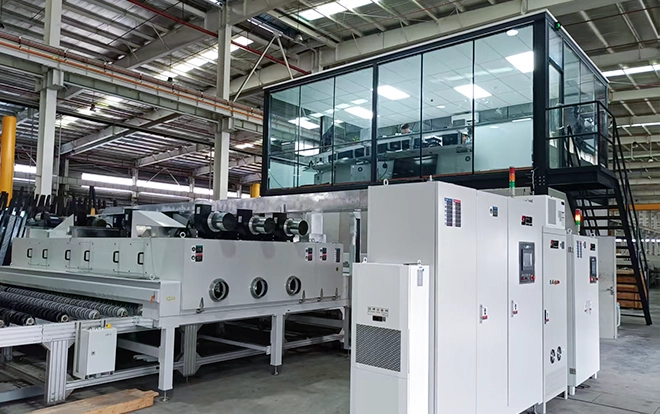
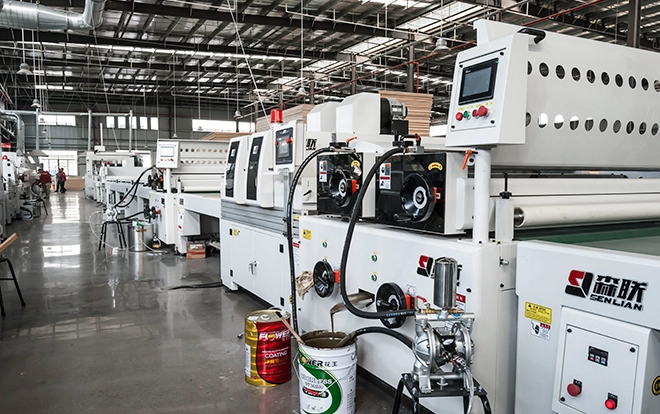
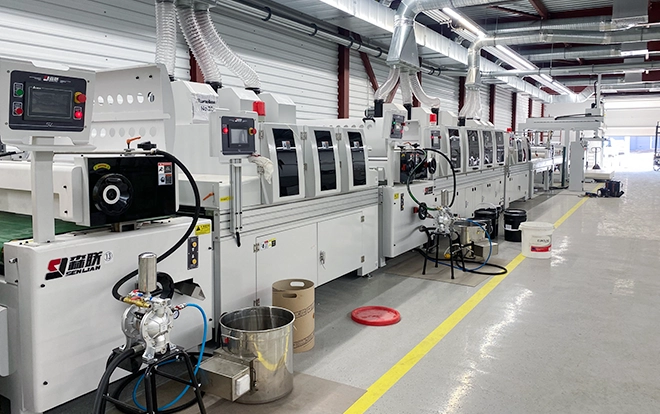
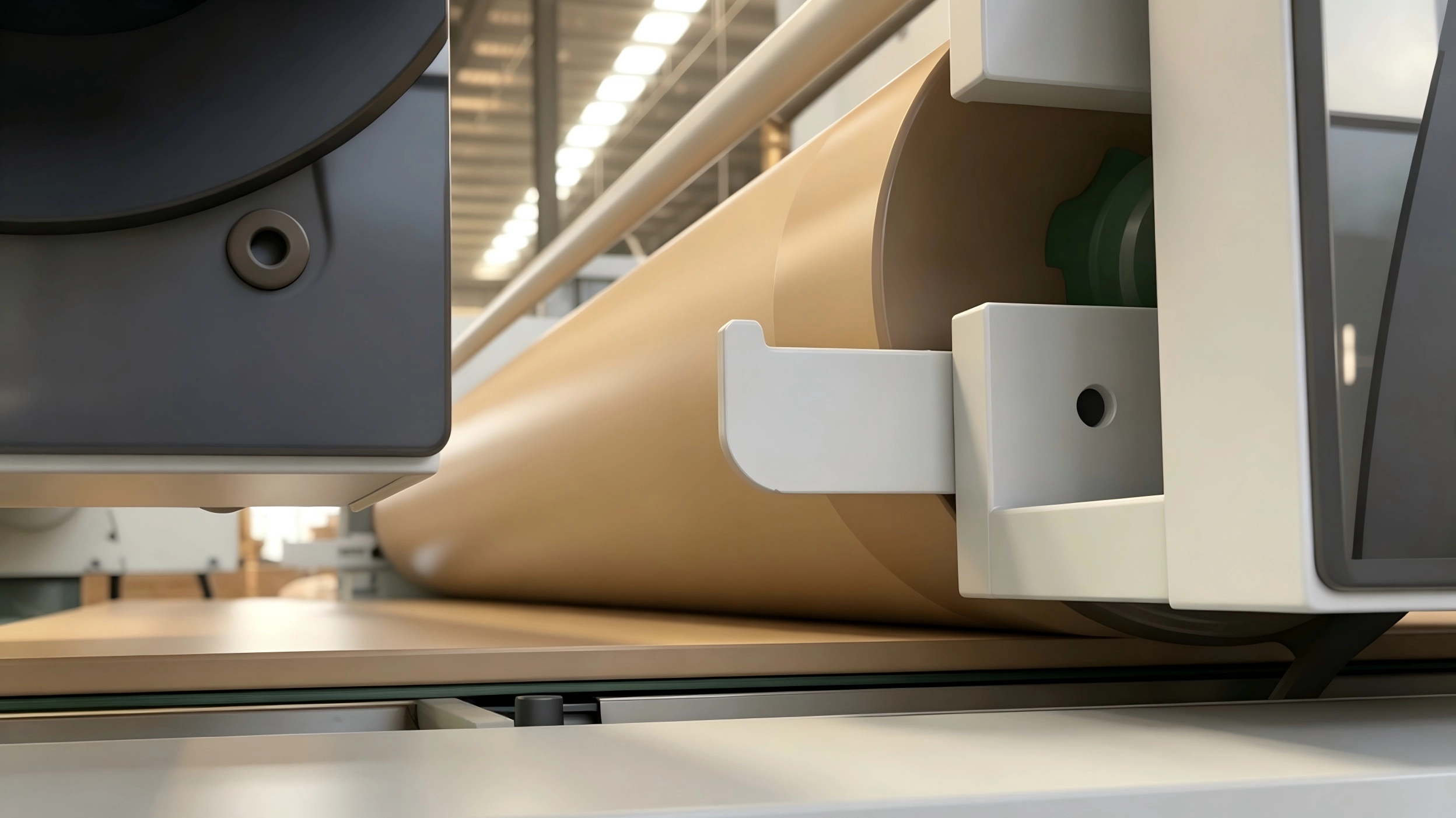
Surface treatment equipment is specifically designed for pre- and post-coating processing of diverse base materials, including sanding, dust removal, embossing, wire drawing, water cleaning, and other processes. It optimizes base material surface conditions to improve coating adhesion and deliver smooth, uniform, high-quality finishes.
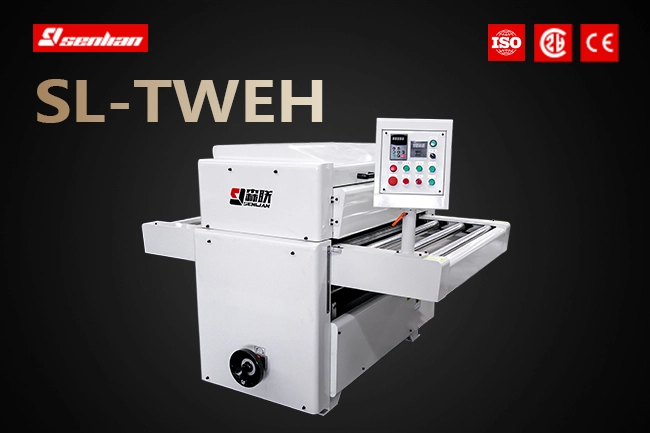
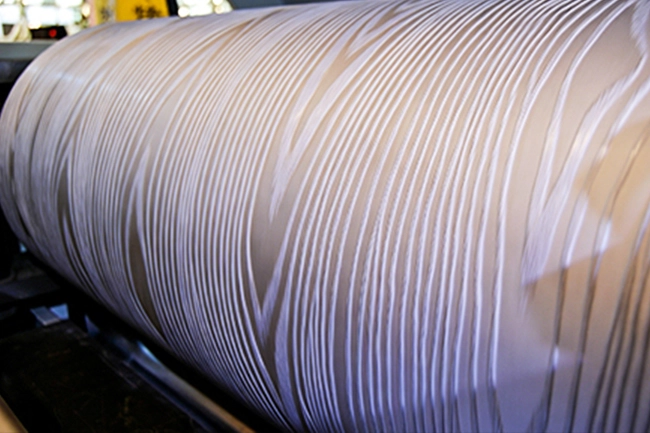
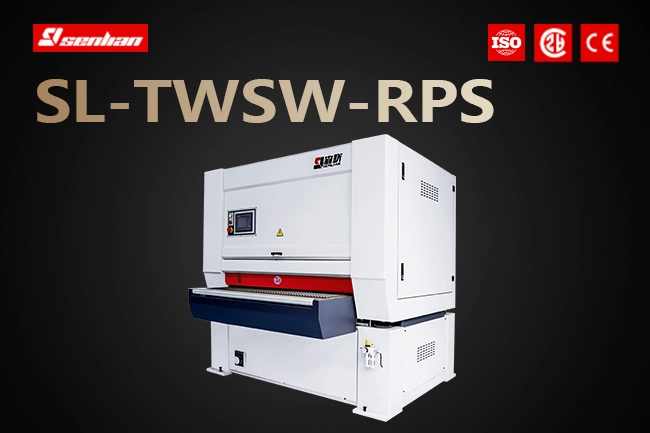
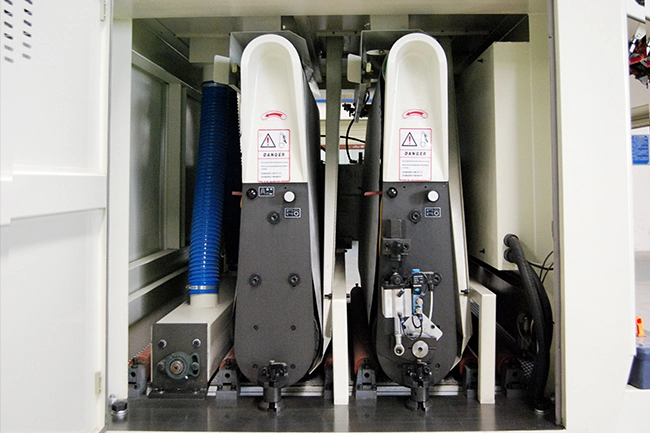


Wood Texture Embossing Machine
This surface treatment equipment applies pressure to wood panels with a heavy-duty stainless steel roller featuring laser-engraved wood grain patterns, creating popular, premium-quality wood grain textures on inexpensive materials such as MDF, rubberwood panels, plywood, and particleboard to enhance their decorative value.

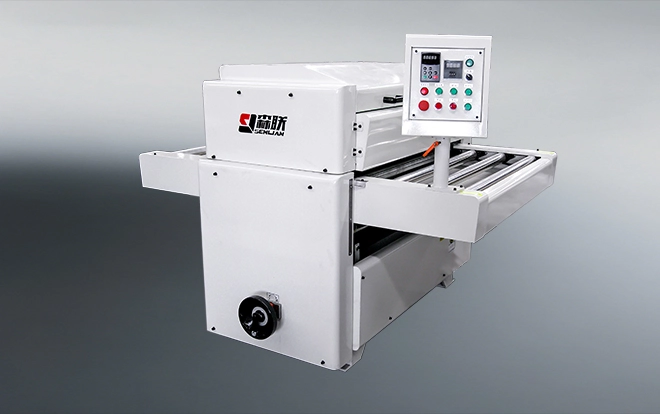
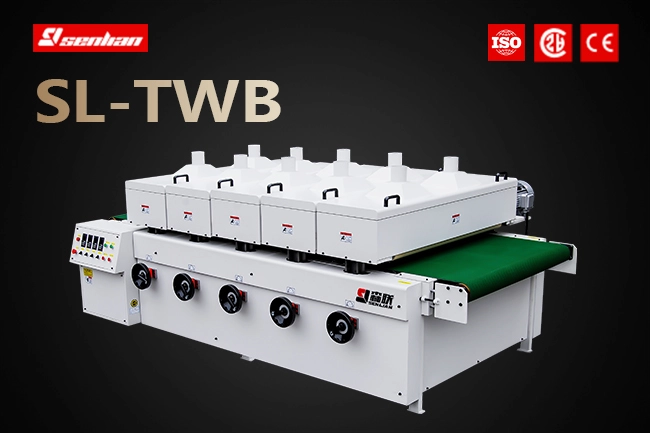
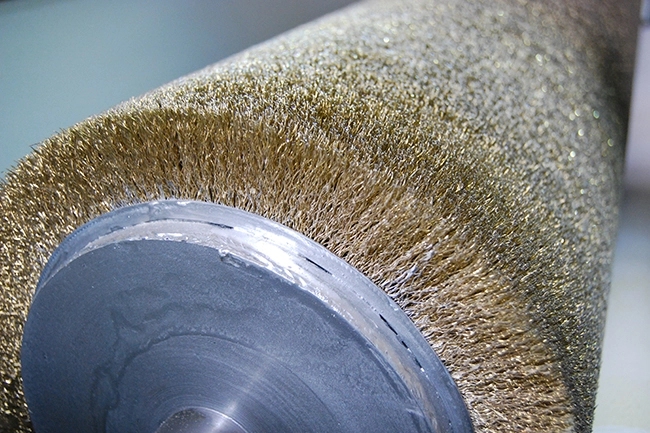
Wood Texture Wire Drawing Machine
This surface treatment equipment uses steel wire rollers, grinding wire brushes, and sisal brushes to remove the soft wood and wood fibers surrounding the natural grain of solid wood substrates, thereby rendering the wood’s inherent texture more vivid and three-dimensional and accentuating a vintage aesthetic.
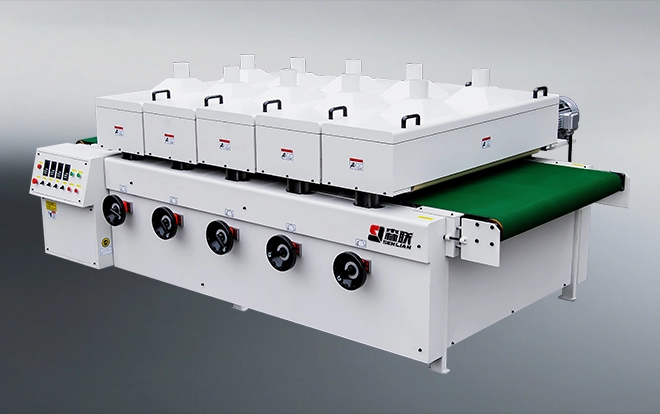
Dust Collector
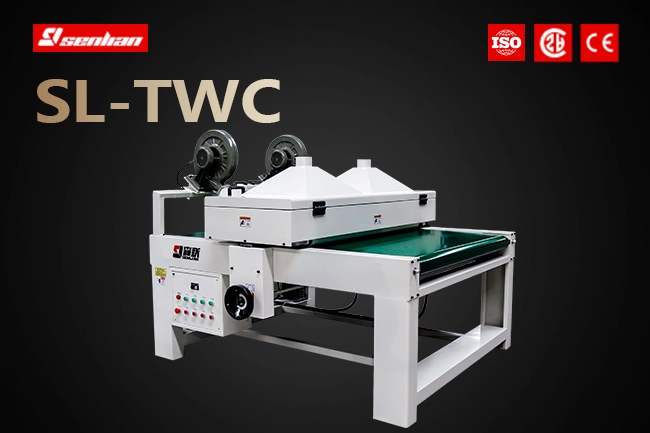
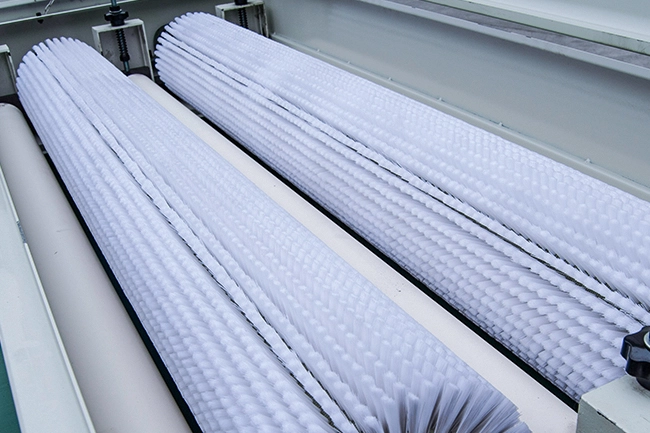
This surface treatment equipment utilizes high-density anti-static brushes that rotate in opposite directions to remove burrs and impurities from the workpiece surface. Air knives forcefully blow away stubborn dust, leaving the workpiece surface even cleaner and more flawless.
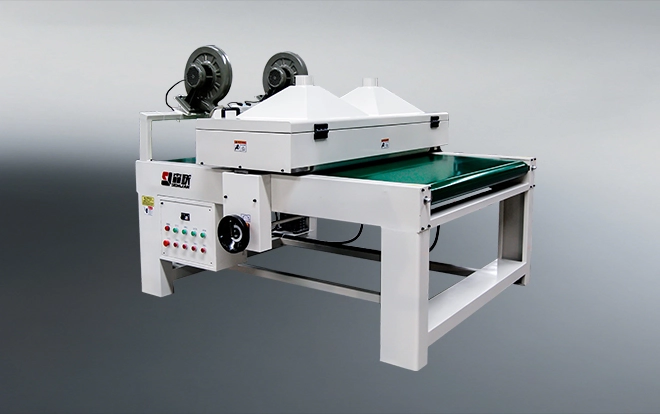
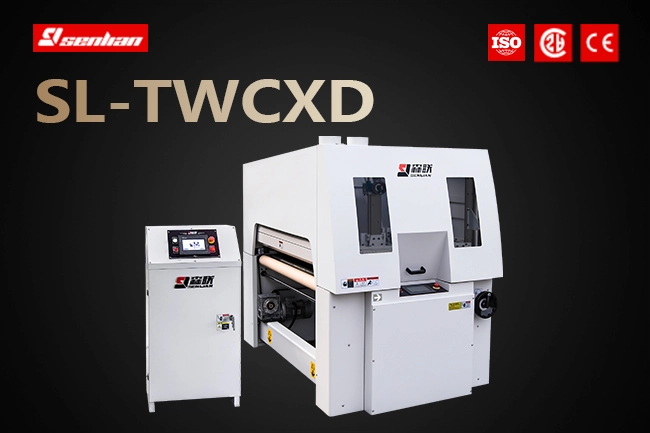
Double-Sided Dust Removal Machine
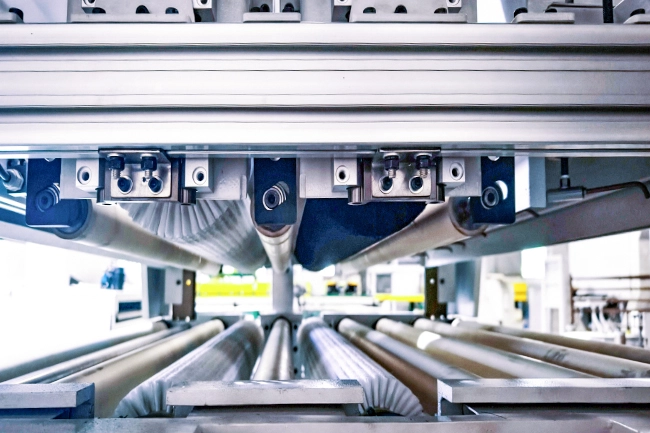
This surface treatment equipment integrates three core modules: bidirectional anti-static brushes, a cyclone dust-blowing mechanism, and a plasma static eliminator. It thoroughly cleans all surfaces and edges of workpieces while effectively preventing dust re-adhesion, ensuring a flawless finish.
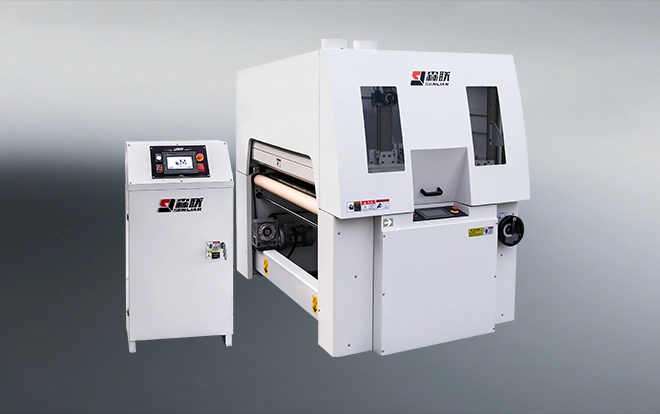
Wide Belt Sanding Machine
This surface treatment equipment uses a vertically running abrasive belt to polish or sand flat base materials, thereby ensuring a high degree of thickness uniformity. It supports optional configurations to accommodate materials of varying hardness.
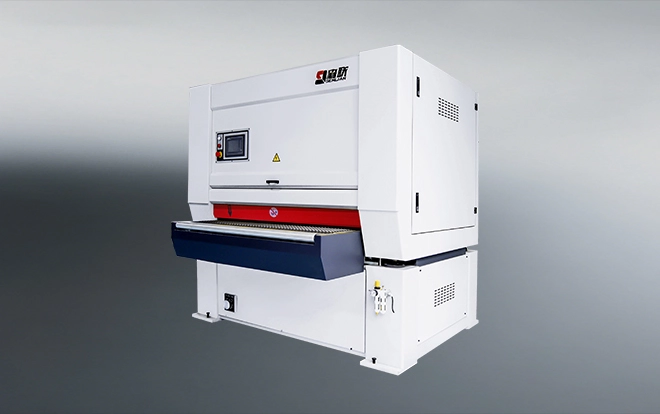
Primer Sanding Machine
This surface treatment equipment uses a pneumatically actuated, vertically moving sanding belt to finely sand the primer on flat workpieces. By eliminating various paint surface defects, it enhances coating adhesion and surface finish, thereby creating optimal conditions for subsequent painting processes.
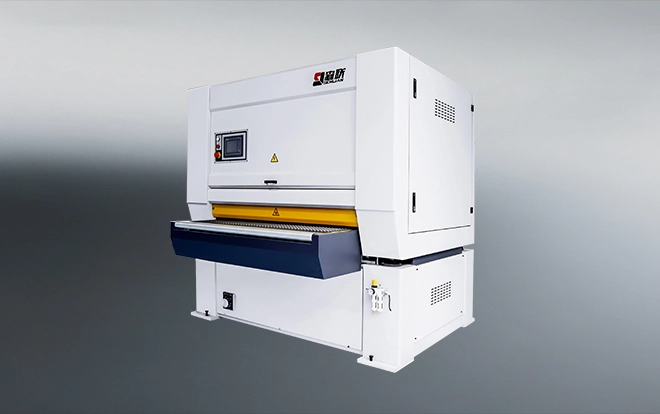
Glass Cleaning Machine
This surface treatment equipment is specifically designed for the automated cleaning of glass, utilizing high-pressure spray pipes and a three-stage cleaning structure to ensure the glass is crystal-clear and looks as good as new before subsequent processing.
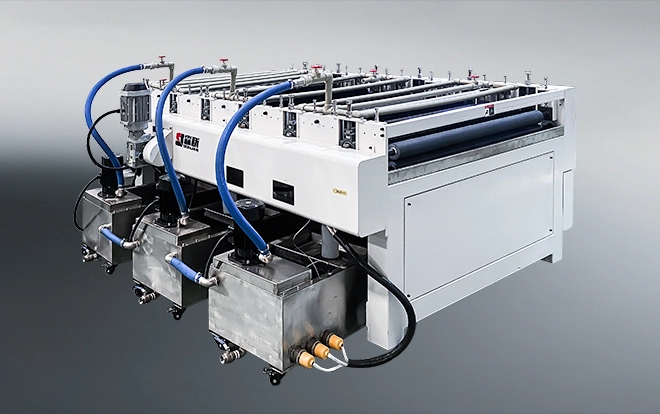
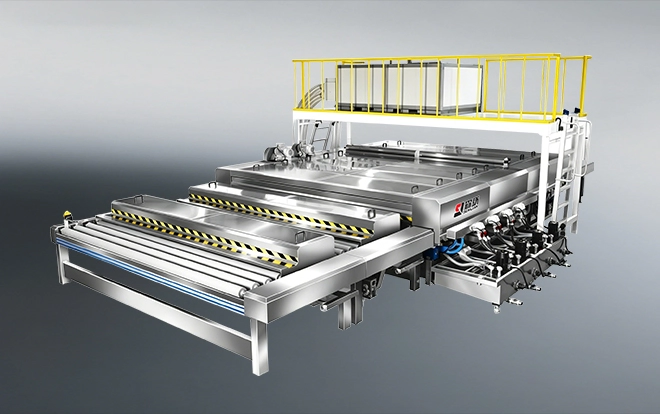
Glass Washing and Drying Machine
This surface treatment equipment features a horizontal configuration and is designed for the cleaning and drying of automotive glass, photovoltaic glass, standard flat float glass, Low-E glass, and similar materials. Boasting excellent performance and comprehensive functionality, it represents an ideal choice for industrial-scale production.
Features

Stable Performance
Precision manufacturing ensures the equipment's exceptional quality and stable performance.

Enhancing Manufacturing Output
Supports streamlined mass production, stabilizes product quality, and boosts production capacity.

Competitive Cost Advantages
It has a few wear parts, lowering maintenance, labor, and raw material costs through automation.

Sustainable Development
Supports modernized, eco-friendly solutions for centralized treatment of dust, wastewater, waste gas, and other pollutants.

Hassle-Free Operation
Featuring button-based controls or a touchscreen HMI, it requires only a brief training period and enables quick production deployment.
Flexible Customization
Supports flexibly customized based on materials, thickness, desired texture, output, and other factors to meet specific production requirements.
Our Advantages
Fine design, high precision, and stable performance. Compared with competitors, our surface treatment equipment delivers better adhesion, uniform coating thickness, and stronger resistance to scratches and wear, enhancing both product aesthetics and durability.
- Wide Product Range– Includes over 20 standard models of surface treatment equipment and other custom models.
- Strong Custom Capabilities– Includes options for logos, parameters, functions, structures, and more.
- Professional R&D Team– 13 experts and an 800m2 R&D center provide strong technical support.
- Strict Quality Control– 38 documents and 65 quality records supervise each surface treatment equipment.
- One-Stop Services– We deliver comprehensive services for global customers in various industry sectors.
- Testing Platform– We have coating and spray painting labs for customer testing and innovation.
- PAT Testing– After producing the ordered surface treatment equipment, PAT ensures high-quality finished products.
- 2000+ Satisfied Customers– Successful cases have enriched our experience, helping us deliver better results.
Discover Coating Solutions to Fit Your Industry and Budget.
Regardless of your industry, base materials, coating type, or space limitations, we can provide you with a suitable coating solution at a variety of price points.


Contact Us
Have questions or need assistance? Get in touch with us, and we’ll be happy to help!
-

-
 Whatsapp
 -

-
 AddressNO.8, Longxiang road, Puyang industrial district, Chengdu city, Sichuan province, China.
Request a Quote
Frequently Asked Questions
-
What is the difference in application between the wood embossing machines and the wire drawing machines within your Surface Treatment Equipment?

-
Although both wood embossing machines and wire drawing machines are designed for the surface treatment of wood materials, specifically regarding their texture and patterns, their respective scopes of application and processing objectives differ.
Wood Texture Embossing Machine: Suitable for processing raw materials such as Medium-Density Fiberboard (MDF), High-Density Fiberboard (HDF), solid wood panels, finger-jointed boards, plywood, multi-layer boards, particleboard, Oriented Strand Board (OSB), bamboo-wood fiberboard, Wood-Plastic Composites (WPC), and PVC-wood composite panels. The primary objective of this processing is to alter the existing texture of the raw material, or, in the case of textureless boards, to create a variety of aesthetically pleasing and tactile textures on the surface, including wood grain, stone patterns, embossed designs, and leather textures, thereby enhancing the added value of the final product. It is widely used in furniture door panels, wall panels, decorative building materials, and interior finishing panels for projects in hotels and office buildings.
Wood Texture Wire Drawing Machine: Suitable for solid wood materials, such as oak, ash, walnut, elm, and beech, that possess naturally beautiful grain patterns and robust fiber toughness. The processing objective is to accentuate the natural texture of the wood grain while removing surface burrs and blemishes, thereby perfectly showcasing "antique" or "light luxury" product aesthetics. It is commonly used in the production of mid- to high-end furniture, building materials, doors and windows, handicrafts, and similar items.
If you are still unsure how to select the right surface treatment equipment, we would be happy to recommend a suitable system and provide sampling services. Please feel free to contact us!
-
What is the difference between the two dust collectors within your Surface Treatment Equipment? How to choose?
-
Dust Collector: Designed for basic-level dust removal, suitable for primer coating lines and post-sanding cleaning. It removes surface dust and burrs efficiently via dual-directional brushes and powerful air knives, offering excellent cost performance.
(Cyclone) Double-Sided Dust Removal Machine: Built for high-end topcoat lines. It adds plasma static elimination and cyclone negative-pressure dust extraction, removing micron-level dust and preventing re-adhesion. It is especially well-suited for high-demand applications such as UV topcoat and high gloss piano finish.
-
During the sanding process, are there risks of issues such as "sanding through," "missed spots," or "white edges"? How can these be avoided?
-
Our surface treatment equipment is engineered to eliminate these problems through design and control features:
Anti-Sand-Through: Equipped with automatic board thickness detection and automatic sanding head lifting, the sanding height adjusts in real time based on the actual board thickness. Pneumatic steel rollers ensure precise contact pressure, preventing over-sanding.
Anti-Missed Spots: The floating and oscillating sanding heads ensure full coverage without dead zones. Combined with a wide-body aluminum sanding pad, even the edges of the board are sanded evenly.
Anti-White Edges: Optimized for sanding thick primer edges, the primer sander provides precise sanding control to avoid sanding through the primer layer and exposing the board’s original color, ensuring smooth transitions at the edges.
-
How to handle and discharge the dust generated during Surface Treatment?
-
For all surface treatment equipment that generates dust during operation, we have incorporated dedicated dust extraction ports for direct connection to the specialized ductwork of a central dust collection system. This ductwork is typically fabricated from galvanized steel or stainless steel. It is laid out according to the principles of short, straight runs with minimal bends to prevent dust accumulation and blockages. Furthermore, the total airflow capacity is precisely calculated based on the number and power ratings of the connected equipment to ensure effective containment and prevent dust spillage. Subsequently, the collected dust is filtered using a combination of cyclone separators and pulse-jet bag filters.
If you need further guidance on this, we would be honored to provide a tailored solution as a comprehensive one-stop service provider. Please get in touch with us for more details.